This month, the Ice Age Trail Alliance is hosting the Mammoth Hike Challenge, a 46-mile…

In days long ago, forests were seen as mystical and magical places. Folklore often depicted them as places of both wonder and danger, filled with mythical creatures and hidden secrets. They were homes to elves, fairies, and talking animals, spiritual places where humans could connect with the natural world.
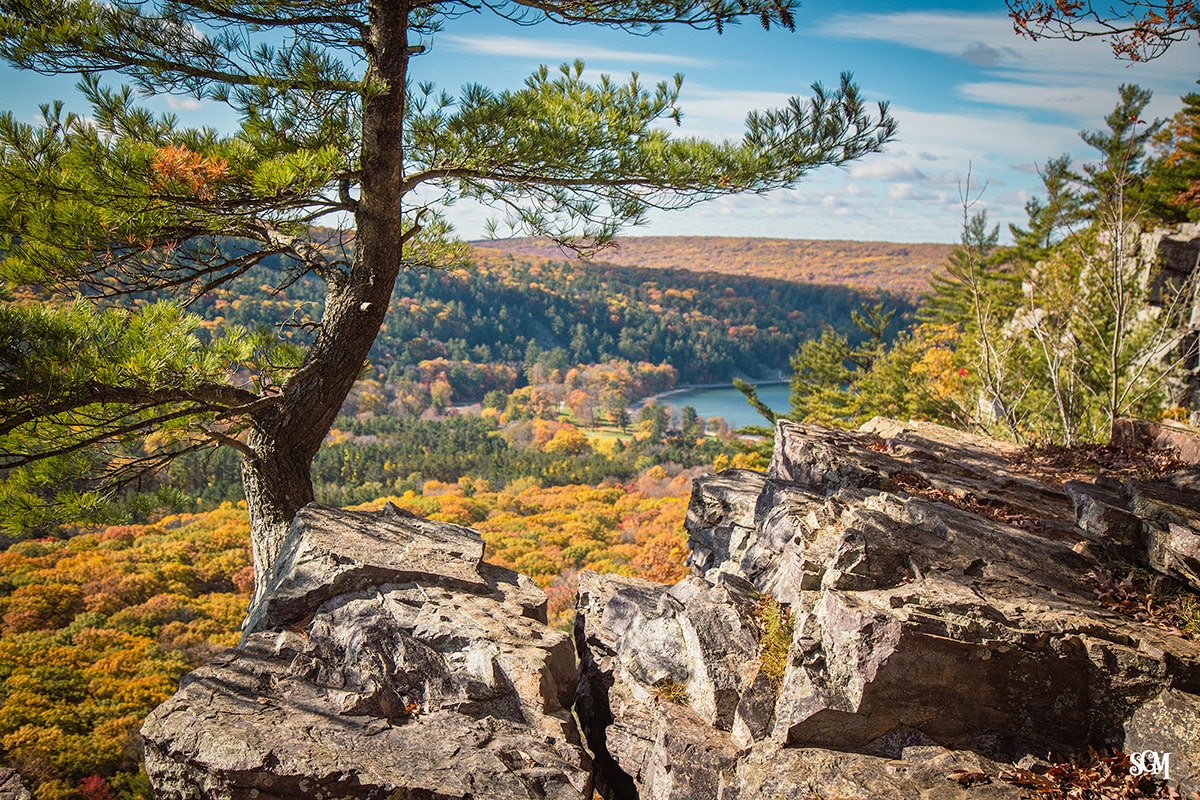
Devil’s Lake, Spirit or Sacred Lake, known as Tee Wakącąk to the Ho-Chunk people, has always been a place of power and reverence. That said, one of the most magical forests of Devil’s Lake is fairly new. It’s what scientists would call a “pygmy forest,” meaning the trees remain much smaller than their counterparts elsewhere.

These stunted forests are most famously found in places like Mendocino County in northern California, where you’ll find the Pygmy Forest Ecological Staircase, or in the Pine Barrens region of New Jersey, also known for its own mythical beast, the Jersey Devil.
So, what makes a pygmy forest?
They usually grow in places where the soil is poor and can’t hold water, yet the air is humid enough to keep trees alive. They are often found at higher elevations or along rocky coastlines, anywhere thin soils and moisture meet.
At Devil’s Lake State Park, the trees of our pygmy forest began growing in the 1890s. Before that, fires were common, keeping the hills grassy and open except for the occasional big oak or other fire-adapted species. With the arrival of European settlers, all that changed. In some areas, they cleared the forests, but more importantly, they began suppressing wildfires. This allowed trees to take hold even on rocky glades and outcrops.

In this particular location, young hickories and ashes stretched their roots into a thin layer of soil covering solid quartzite, some of the hardest rock on Earth. Without access to much water or nutrients, the trees remained stunted. In fact, most of the trees here are not only short, but only 3 to 6 inches in diameter. Still, they deserve our respect. They’re over 100 years old!
Where To Find It
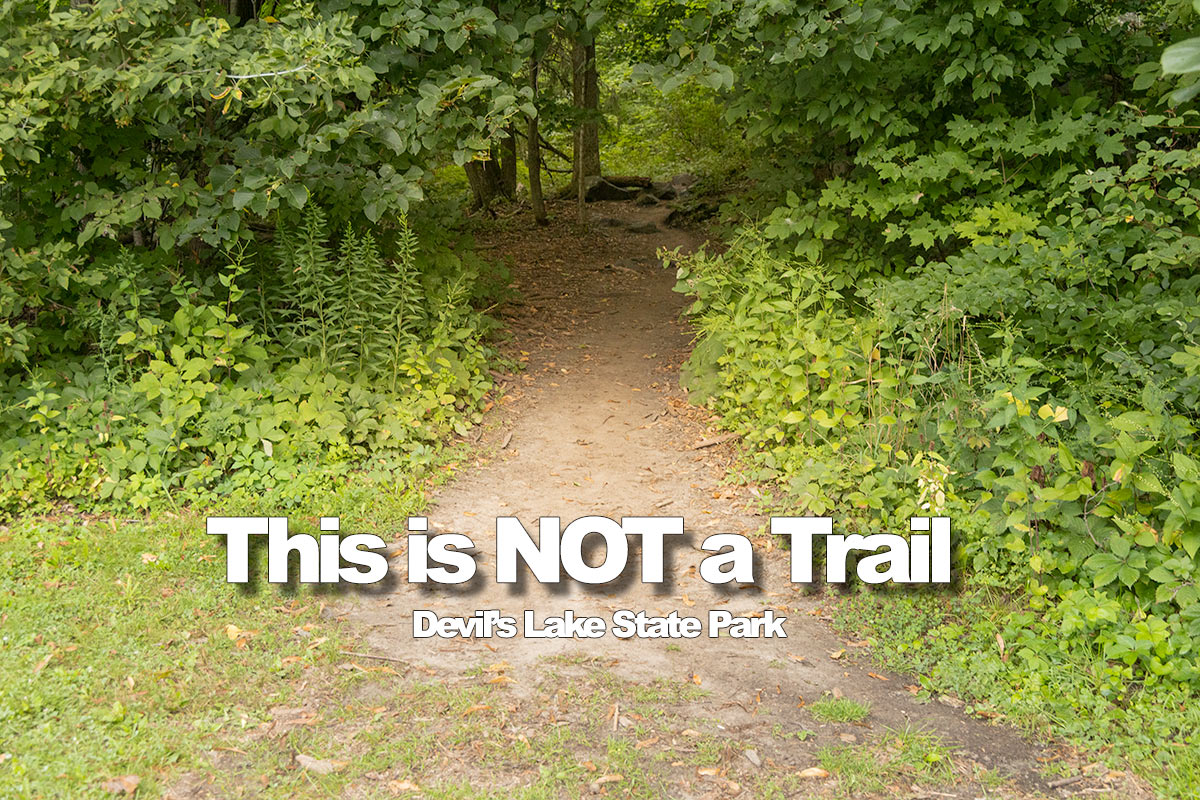
You’ll find the pygmy forest along the park’s East Bluff Trail. From the north end, it’s about three-quarters of the way to the south. You’ll come to a split in the trail with a map stand. Stay to the right. About 50 yards ahead, you’ll step into another world.

Every year, thousands of hikers pass through this elfin landscape on their way to popular overlooks, never even noticing it. But next time you go, take note. And if you can, enter this forest in a quiet season, when the air is still and the world feels empty. Stand among the twisted hickory, and if something about it feels just a little different, now you’ll know why.

For over 30 years, the Skillet Creek blog has focused on 3 main goals: to inspire you to visit and explore the Devil’s Lake region, to help you get the most out of your visit by sharing tips, events, and other helpful information. Lastly, to advocate for our environment & wildlife and talk about how we can keep our natural areas amazing now and into the future! That last goal can sometimes cause controversy, but it’s the only way we can accomplish the first two. – Derrick Mayoleth, Owner.
Related Posts