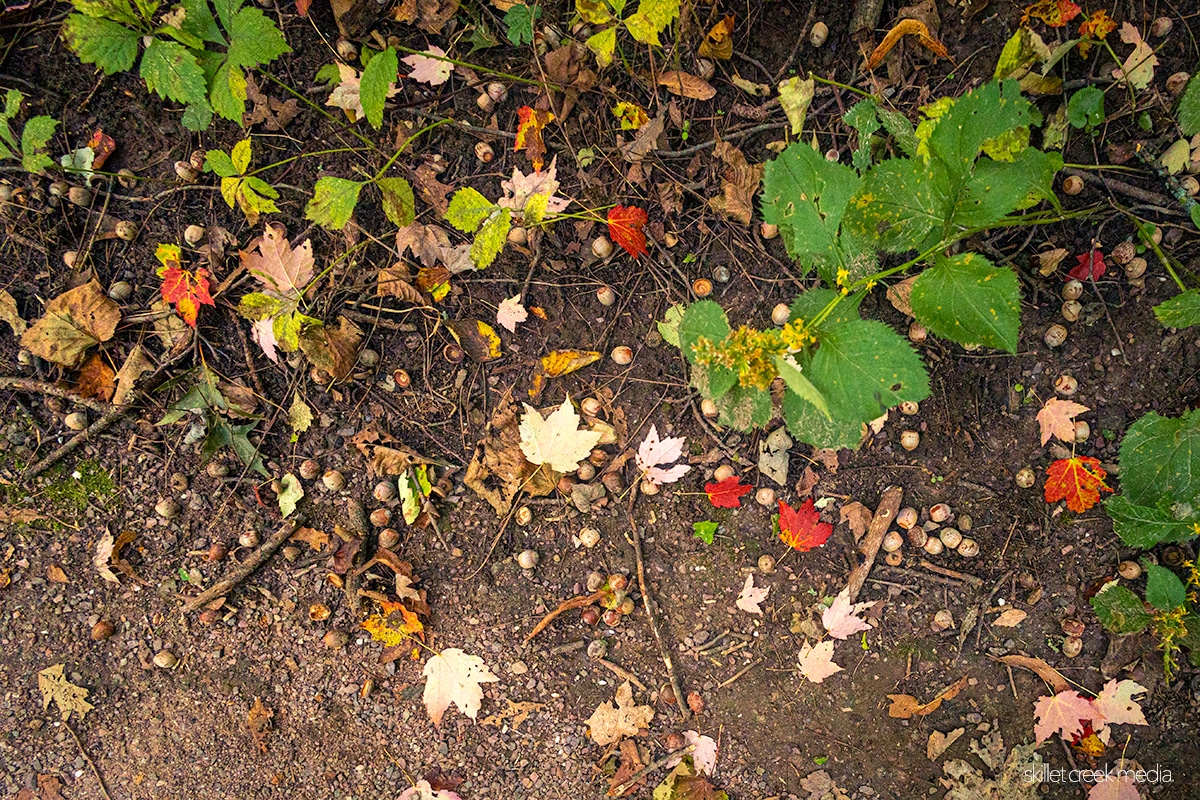
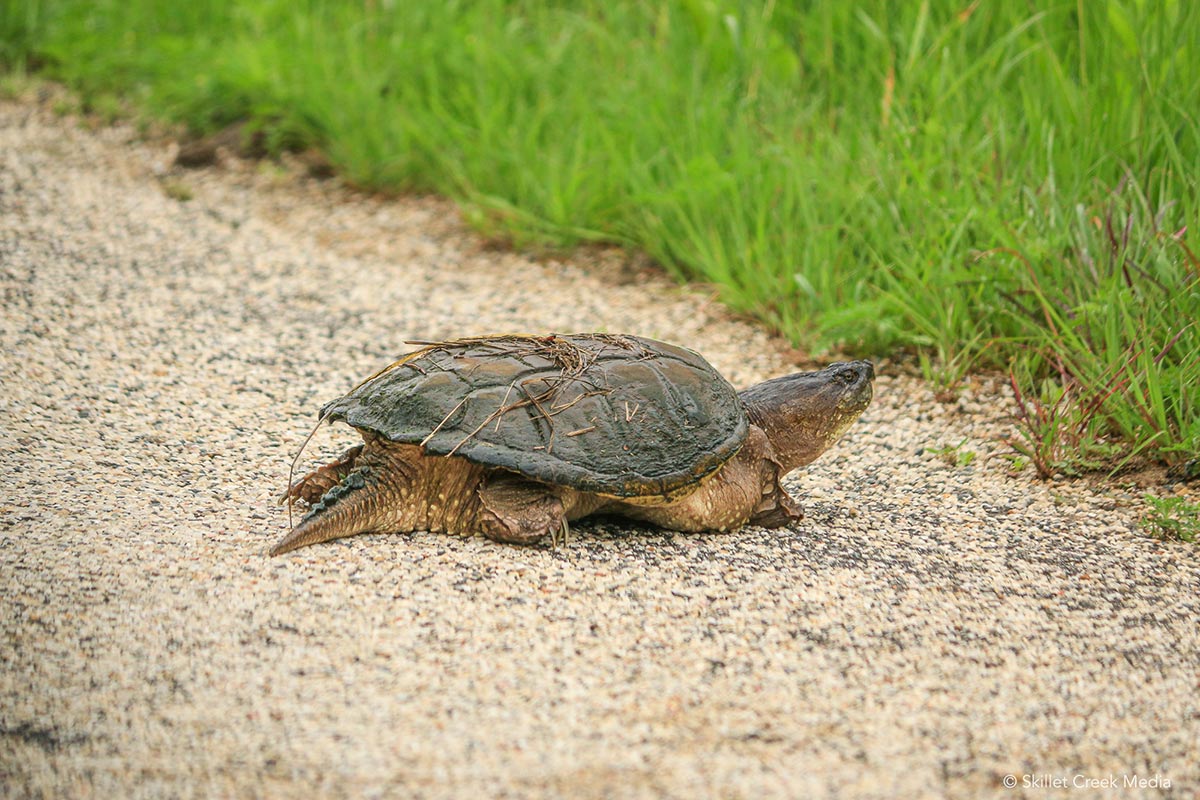
Overview: There are a lot of acorns falling around Devil’s Lake and the Baraboo Hills…
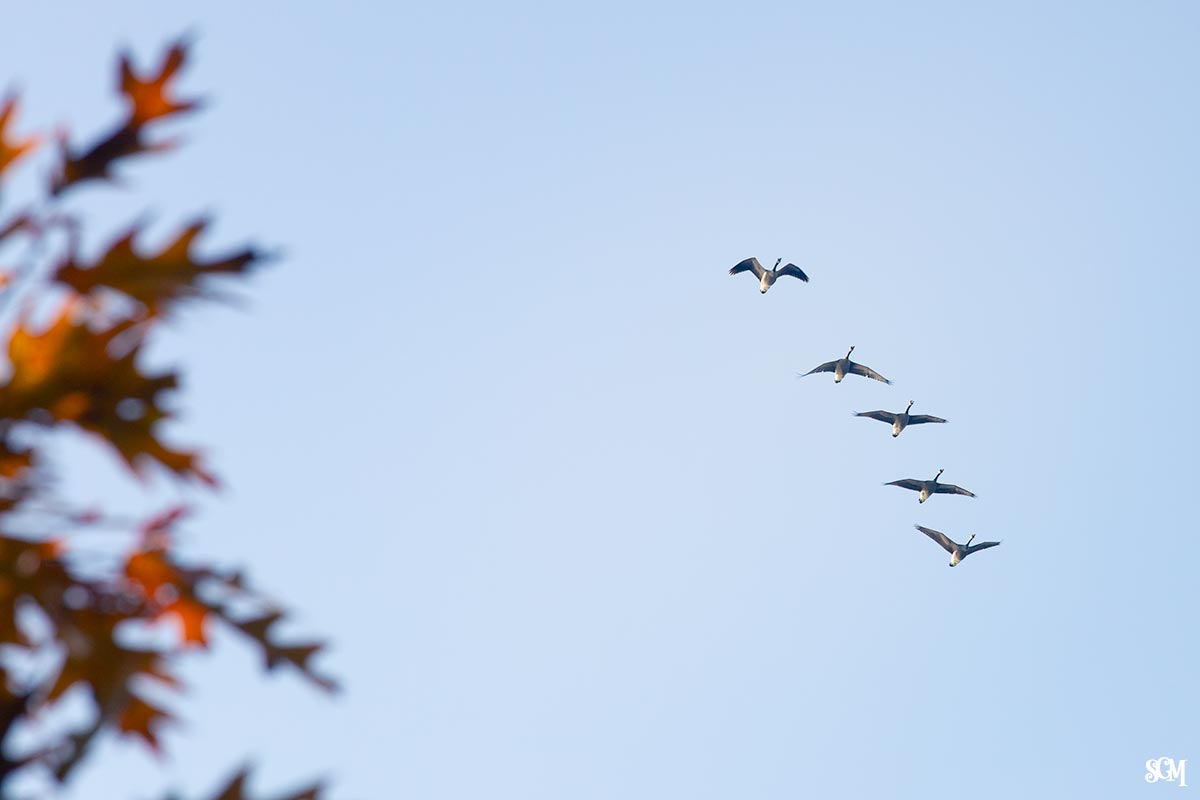
As I sit down to write this morning, the Cornell Lab’s BirdCast Migration Dashboard estimates that about 481,000 birds crossed Sauk County overnight.
That sounds like we should be able to walk outside and see the sky filled with birds. Of course, migration doesn’t really work that way.
We are right in the heart of fall migration here in central Wisconsin, but there is never one visible “peak” when you can expect Devil’s Lake to suddenly be filled with migrating birds. Different species move at different times, and many take advantage of weather patterns that help them conserve energy as they head south.
Often, by the time one group of birds begins gathering around the lake, another has already moved on.
Autumn Gives Wildlife a Little More Room
Once summer fades into the rearview, wildlife has an opportunity to shine.
If we’re honest, wildlife is given very little quarter at Devil’s Lake, especially during the busiest parts of summer. For decades, heavy crowds and spring and fall events have limited safe access to land and water, yet much of the wildlife around the park has proven remarkably resilient.
Still, as visitation begins to ease, migratory birds moving through Wisconsin can find places around Devil’s Lake to stop, rest and find a meal before continuing south.
And we’re talking about far more than Canada Geese.
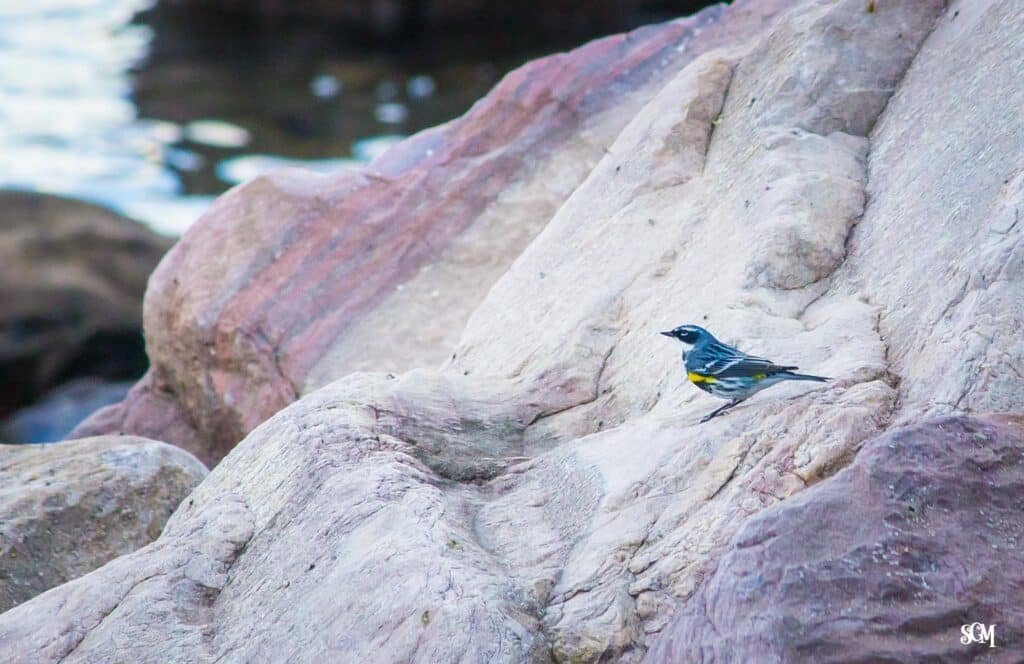
Warblers, vireos, thrushes, hawks, falcons, waterfowl, hummingbirds, Turkey Vultures, Sandhill Cranes and many other species are all moving through the region at different points during fall.
Where to Watch for Migrating Birds at Devil’s Lake
There are no hard-and-fast rules when it comes to migration, but after more than 30 years of watching birds come and go through Devil’s Lake, there are a few places I tend to watch first.
North Shore
There has been quite a bit of disturbance to the north shore with the dredging and other construction. Normally, I’d recommend checking out what’s happening in the lagoon and around the boat landing parking lot, but this year it’s hard to know what will happen. When the vultures begin to gather in number, you should see them over the north shore beach and day use area and often in the trees up by the Nature Center.
South Shore
The South Shore is often one of the best places to simply slow down and look.
Migrating warblers and other small songbirds can move through the trees and brush along the road and shoreline, while ducks and other water birds use the lake itself. Pay special attention around Messenger Creek.
On a good migration day, you might see 10 or more species using the water at the same time, with still more moving through the surrounding woods.
East Bluff
If you’re walking the East Bluff Trail along the cliffs, keep an eye on both the woods and the sky.
Warblers, vireos, thrushes and other songbirds move through the forest, while hawks, falcons and Turkey Vultures may be seen overhead.
The bluff gives soaring birds access to rising air currents, making this one of those places where looking up can be just as important as looking into the trees.
Roznos Meadow
Roznos Meadow would be my next choice.
The mix of open meadow, woodland edges, and nearby wetlands gives you a completely different set of opportunities than the lake itself. Migration can be unpredictable, but habitat diversity usually improves your chances of finding something interesting.
Watch for Turkey Vultures
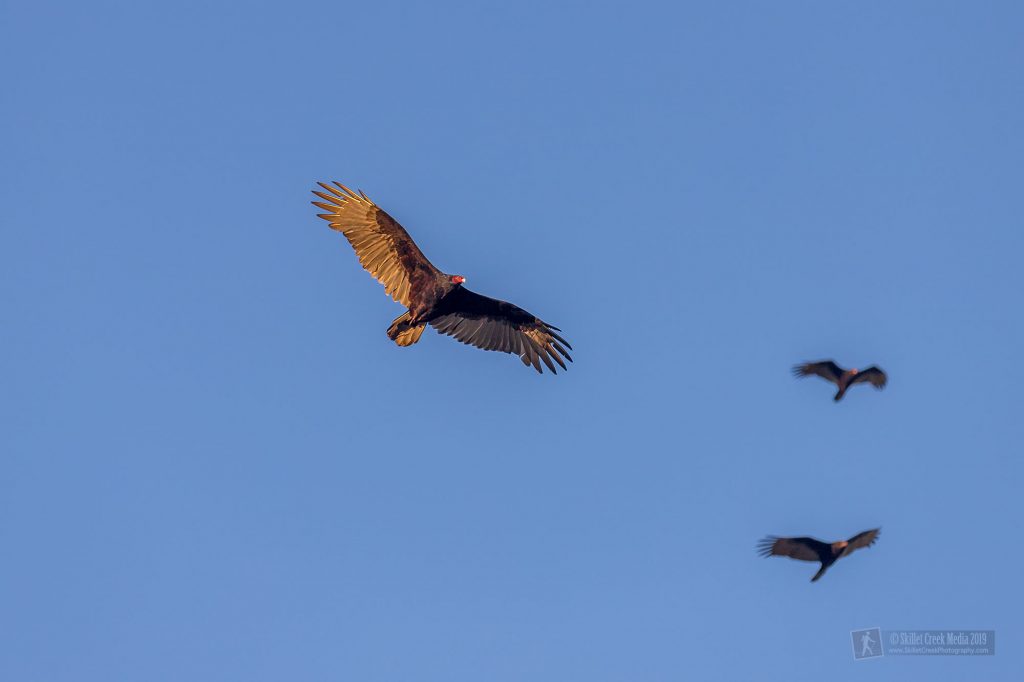
I would start paying particular attention to Turkey Vultures over Devil’s Lake right now.
One of my favorite wildlife events of the year happens when Turkey Vultures from around the area begin gathering in the skies over Devil’s Lake before heading south.
The total number can reach a hundred or more.
When they’re soaring high over the bluffs, they can look almost like swarms of mosquitoes against the sky. Other times they drop lower, sailing over the lake or passing almost directly overhead along the North Shore.
If you happen to be standing there on the right day, it can be one of those wildlife experiences you remember for a long time.
This gathering is something I’ve watched at Devil’s Lake for many years, generally beginning around the second week of September. Like most migration events, the exact timing varies with weather and conditions.
Sandhill Cranes Are Gathering Too
Sandhill Cranes are beginning to gather around the Baraboo area as well.
You can occasionally see them around the southwest corner of Devil’s Lake or near Steinke Basin, but larger concentrations are generally found in farm fields north of the park and closer to the Wisconsin River.
Those numbers will continue to build as fall progresses.
Unlike a small songbird quietly moving through the woods, cranes make migration pretty obvious. Their calls can carry a long way, and large groups feeding in open fields are hard to miss.
What About Hummingbirds?
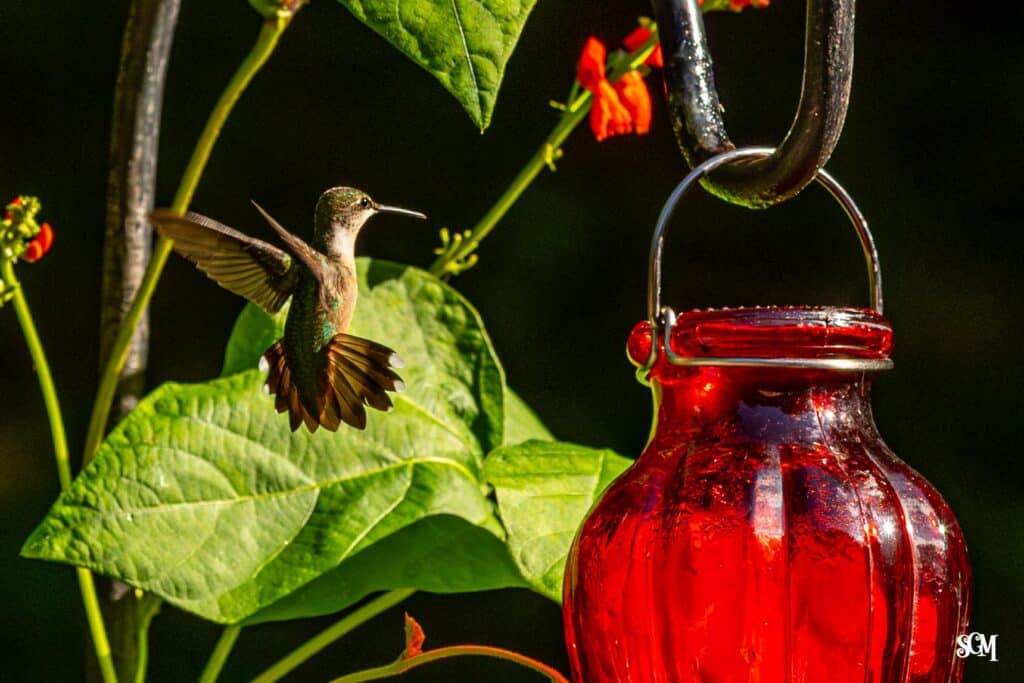
If you’ve noticed fewer hummingbirds around your feeders recently, that’s another sign that the season is changing.
Ruby-throated Hummingbirds are already beginning their southward migration. Birds that spent the summer here are leaving, while others from farther north may still pass through the area.
You can also stop by the park’s Nature Center and see if hummingbirds are still visiting the feeders there.
That means feeder activity can rise and fall quickly during September.
Keeping feeders clean and available through fall can provide an additional food source for birds still moving through.
Fewer Birds Than There Once Were?
This part is harder to quantify locally, but it’s something I can’t ignore.
In more than 30 years of watching migrations come and go through Devil’s Lake, it seems clear to me that there are fewer birds moving through the lake than there once were, both in overall numbers and in variety.
That is a personal field observation, not a formal survey. It’s also informed by older accounts of birdlife at Devil’s Lake, including observations recorded years ago by former park naturalist Ken Lange.
Still, long-term observation matters. When you return to the same places year after year, patterns begin to stand out.
That’s another reason I think it’s worth paying attention to migration. Beyond simply seeing something beautiful, we’re watching changes unfold in real time.
There Is No Single “Peak”
BirdCast may tell us that hundreds of thousands of birds are moving over Sauk County on a given night, but what we see on the ground the next morning depends on much more than the number passing overhead.
Some birds continue moving.
Some stop.
Some concentrate around particular habitats.
Others may pass through without most of us ever noticing them.
So there really isn’t one perfect weekend for fall migration at Devil’s Lake.
Instead, there is a long season of arrivals, departures, and brief stopovers stretching from late summer well into autumn.
The trick is to simply keep looking.
If you’d like to learn more, start with our Birds of Devil’s Lake State Park guide:
You can also visit our Birding & Wildlife page for more locations around Devil’s Lake, the Baraboo Hills and Sauk County that we return to throughout the year:
And if you’ve been out watching migration recently, I’d love to know what you’re seeing.

For over 30 years, the Skillet Creek blog has focused on 3 main goals: to inspire you to visit and explore the Devil’s Lake region, to help you get the most out of your visit by sharing tips, events, and other helpful information. Lastly, to advocate for our environment & wildlife and talk about how we can keep our natural areas amazing now and into the future! That last goal can sometimes cause controversy, but it’s the only way we can accomplish the first two. – Derrick Mayoleth, Owner.
Related Posts