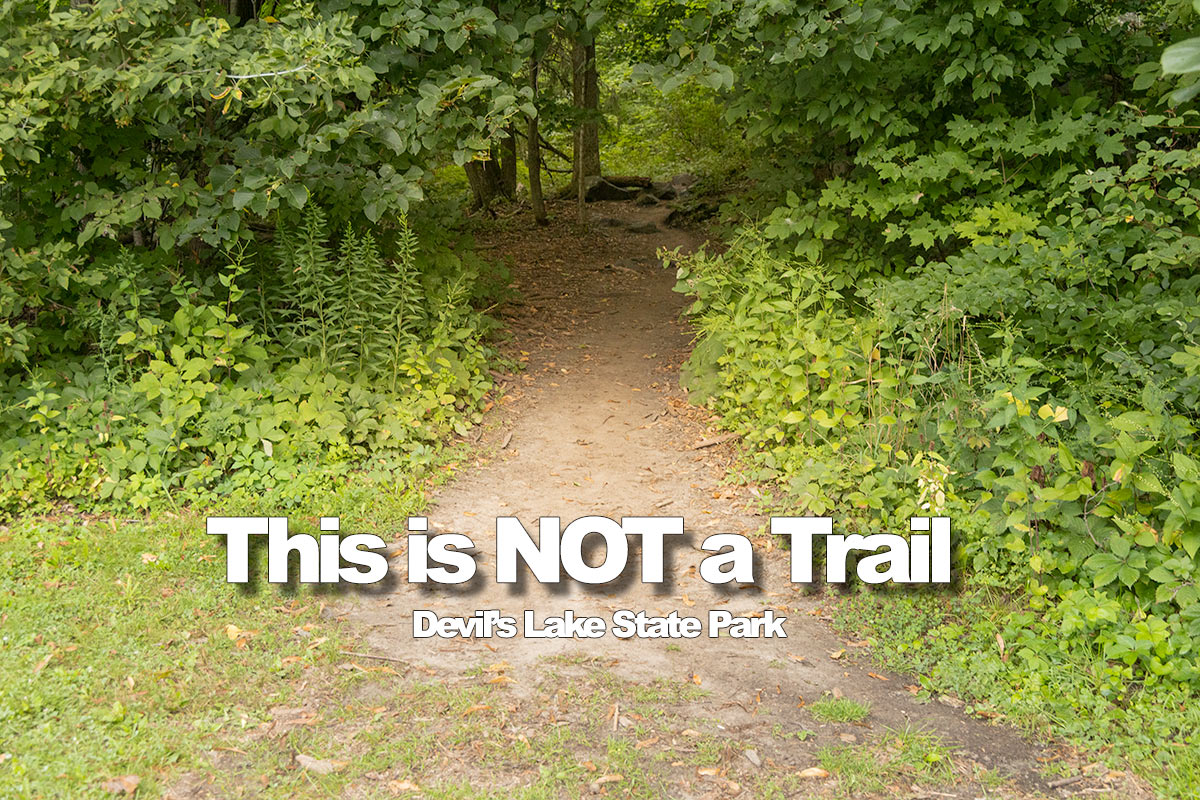
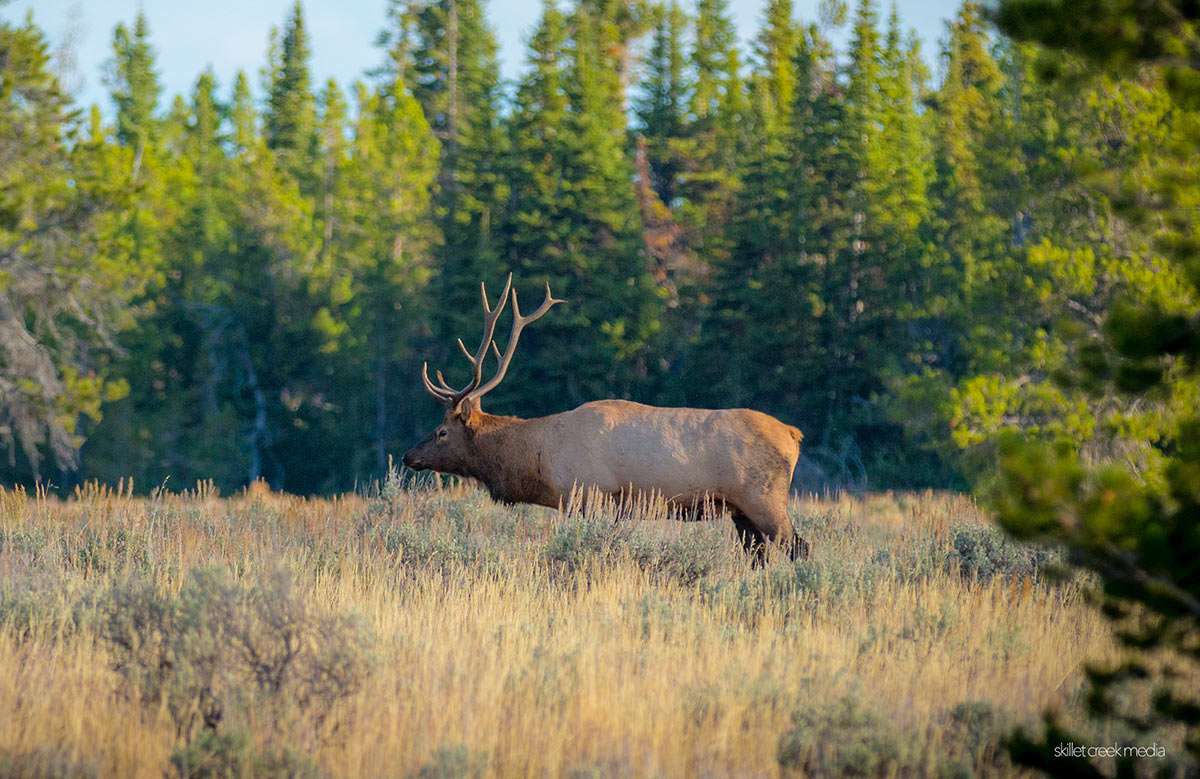
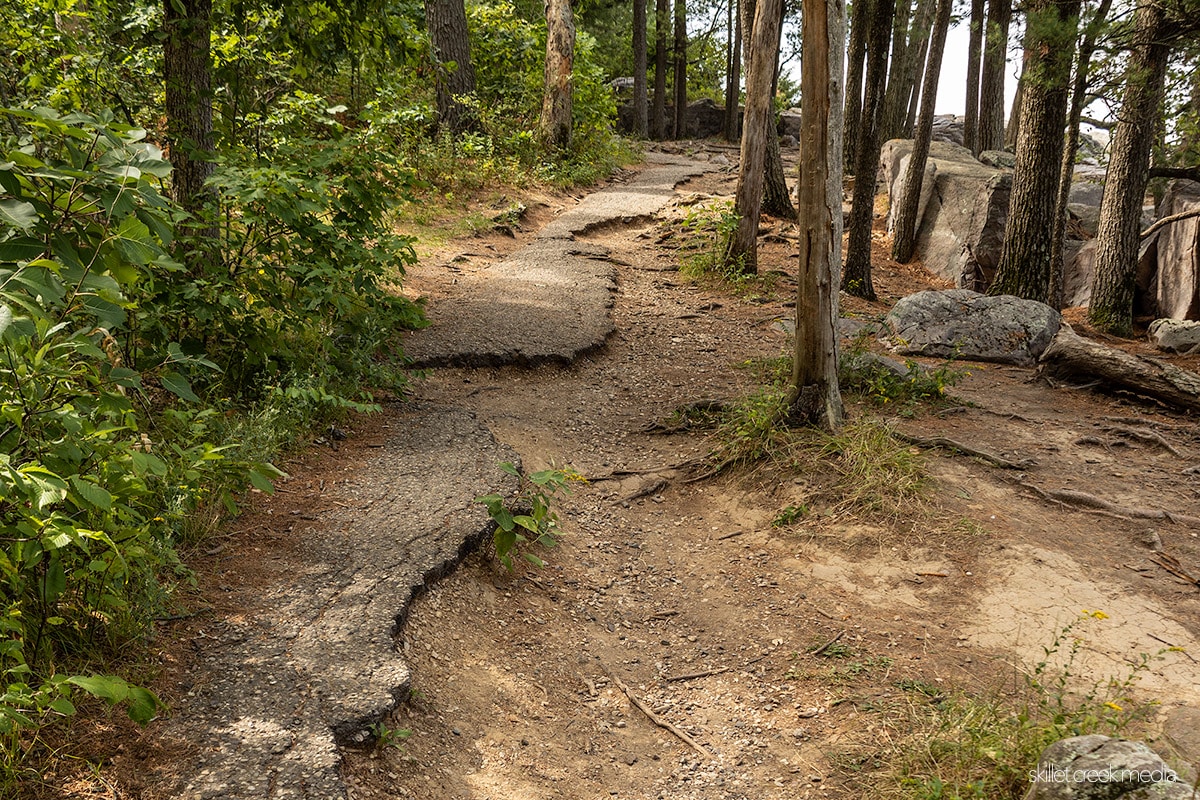
This is not a trail. It started years ago on the bluffs at Devil's Lake…
One thing that stands out these days, as social media promotes “nature,” is how loud it all is.
On the surface, everyone posting videos promoting fun and excitement seems like a good thing. But it can also be the foundation of stress, and stress, as it turns out, is the enemy of the very thing we came outside to find.
What Stress Actually Does to a Nature Visit
We all know that particular type of salesperson. Raised voice. Fast language. The rush to commit. “Limited time. Don’t miss out.” Social media often lives in exactly that space, doesn’t it? The breathless caption. The adrenaline junkie. The music. The countdown. The pressure to see everything, do everything, buy everything, and post everything before you leave.
Research published in Current Opinion in Behavioral Sciences shows that stress physically shifts your thinking away from deliberate, goal-directed choices and toward automatic, habit-based ones. The land of bad decisions.
(Calling the lizard brain.) It’s the mental state that makes you overspend, snap at the kids, go off trail, chase off the wildlife, and leave feeling like you rushed through everything and saw nothing. When people complain about difficult tourist behavior, they’re often really complaining about the downstream effects of stress. And a lot of that stress gets manufactured long before anyone sets foot on the trail, by the way we market the places themselves.
It’s a two-way street. The loud sell creates the stressed visitor.
What Nature Was Always Meant to Offer
At one time, before profit overran stewardship and authenticity, nature operated on a different set of terms entirely. It was understood, especially by the people who studied it most closely, as a place of reverential quiet. Not passive. Not boring. But slow enough that you could actually explore and absorb it. This is why our parks had naturalists. (Wisconsin had 19 full-time DNR park educators not all that long ago.)
John Muir put it plainly: “Nature’s peace will flow into you as sunshine flows into trees.” That’s not a marketing tagline. That’s a description of a biological and spiritual process that requires you to slow down long enough for it to work.
Aldo Leopold, who did much of his most important thinking right here in Wisconsin, learned this the hard way. Working for the U.S. Forest Service, he killed wolves as part of routine predator control, believing at the time that fewer predators meant more game and better land for everyone. Then he watched a wolf die, watched the green fire go out in her eyes, and understood something that changed everything he believed about land and wildness.
“We abuse land because we regard it as a commodity belonging to us. When we see land as a community to which we belong, we may begin to use it with love and respect.”
The extractive mindset, the “take what you want, move on,” exists in nature tourism as well. It runs straight through the way we sell outdoor destinations.
Neither of these men was anti-adventure. Muir climbed glaciers. Leopold rebuilt his relationship with the land from the ground up right here in Sauk County. But both understood that what nature offers most deeply is not stimulation: it’s restoration. And restoration comes from a different place than the one most of us are invited to arrive with.
How Devil’s Lake Got Loud and What It Still Offers
Devil’s Lake wasn’t always what it is today, and the fight to protect it has been going on for a very long time.
In the late 1800s, the land surrounding Devil’s Lake was being quarried, cleared, and developed at a pace that alarmed the people who knew it best. A generation of advocates pushed to get the state to take ownership, believing that was the surest way to protect it. It worked. The park was established in 1911, and for a time, the intention held.
Over the decades, though, the calculus shifted. Devil’s Lake draws approximately 2.7 million visitors a year, more than any other property in the Wisconsin State Parks system, and generated over $4.3 million in visitor fees in FY2025. About 28 cents of every dollar came back to fund operations here. The rest flows to support the broader system. What visitors expect and what they find have been drifting apart for years, and a lot of that gap lives between how a place gets presented and what actually exists to support the visit. The crowds, the stress, the crumbling trails, the parking anxiety are not accidents. They are the result of decisions made about how to fund public land. (For a full breakdown of where the money goes, read our Devil’s Lake: Behind the Budget report.)
We’re not selling the quiet observation of wildlife or reverence for this landscape. We helped create the loud version. That’s worth rethinking, especially if we both want to profit from and protect this land long into the future.
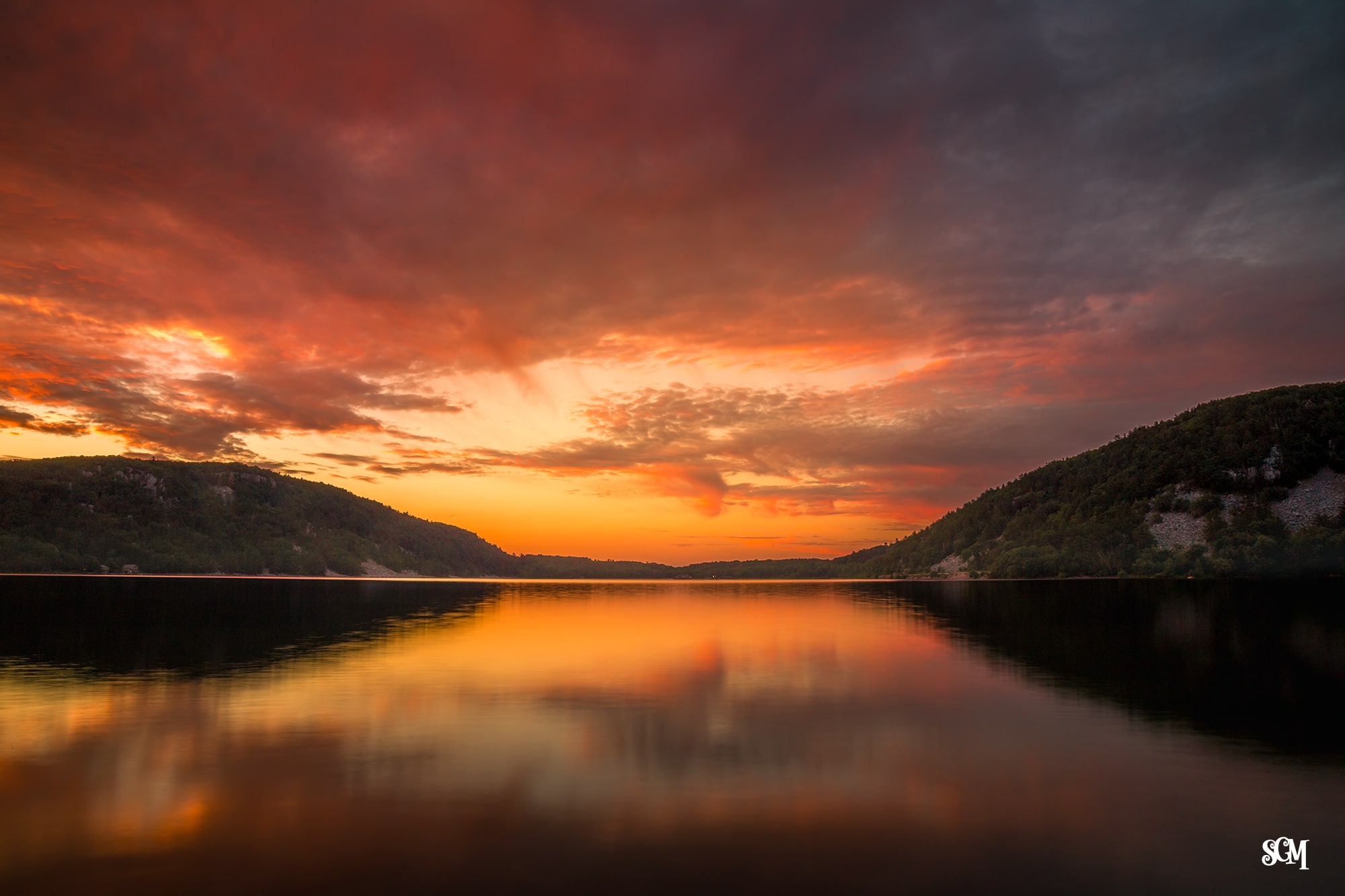
The quartzite doesn’t perform. The herons don’t pose. The fog coming off the water in early morning isn’t doing it for an audience. Tee Wakącąk (Sacred Lake in the Ho-Chunk language) is still doing what it has always done. The question is whether we’re arriving ready to receive it, or too wound up before we get here to settle down once we do.

A Different Kind of Invitation
The excitement framing is everywhere, just check your stories and reels, and it works in the short term for clicks and shares. But there might be something worth trying on the other end of that dial. Messaging that brings visitors, but also starts them on a course toward a better experience.
What do you think? Does the way outdoor destinations get promoted online match the experience you’re actually looking for? How can we take advantage of nature tourism while leading with an atmosphere of respect and stewardship for the very nature we’re promoting?
Something to ponder.
Sources: Porcelli & Delgado, “Stress and Decision Making: Effects on Valuation, Learning, and Risk-taking,” Current Opinion in Behavioral Sciences, 2017. Full article via NIH.
Want to learn more about the geology and natural history of Devil’s Lake? Visit our Learning Center.

For over 30 years, the Skillet Creek blog has focused on 3 main goals: to inspire you to visit and explore the Devil’s Lake region, to help you get the most out of your visit by sharing tips, events, and other helpful information. Lastly, to advocate for our environment & wildlife and talk about how we can keep our natural areas amazing now and into the future! That last goal can sometimes cause controversy, but it’s the only way we can accomplish the first two. – Derrick Mayoleth, Owner.
Related Posts