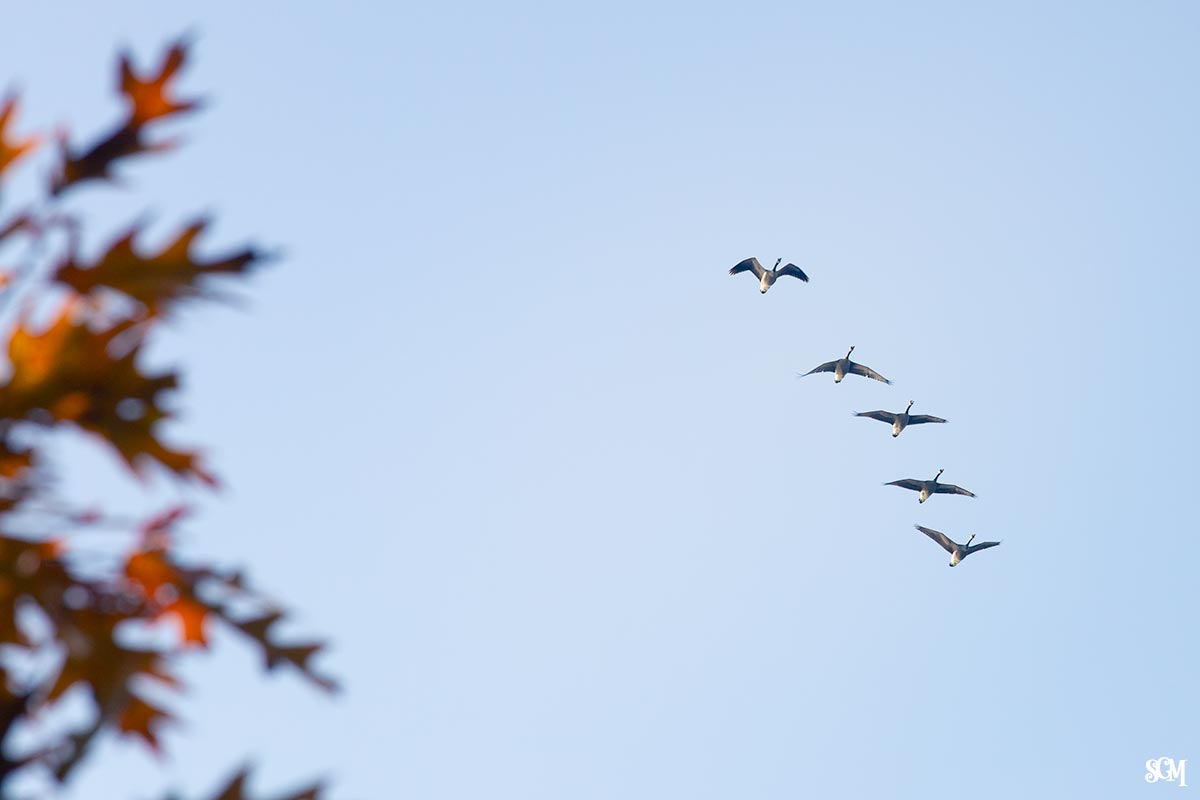
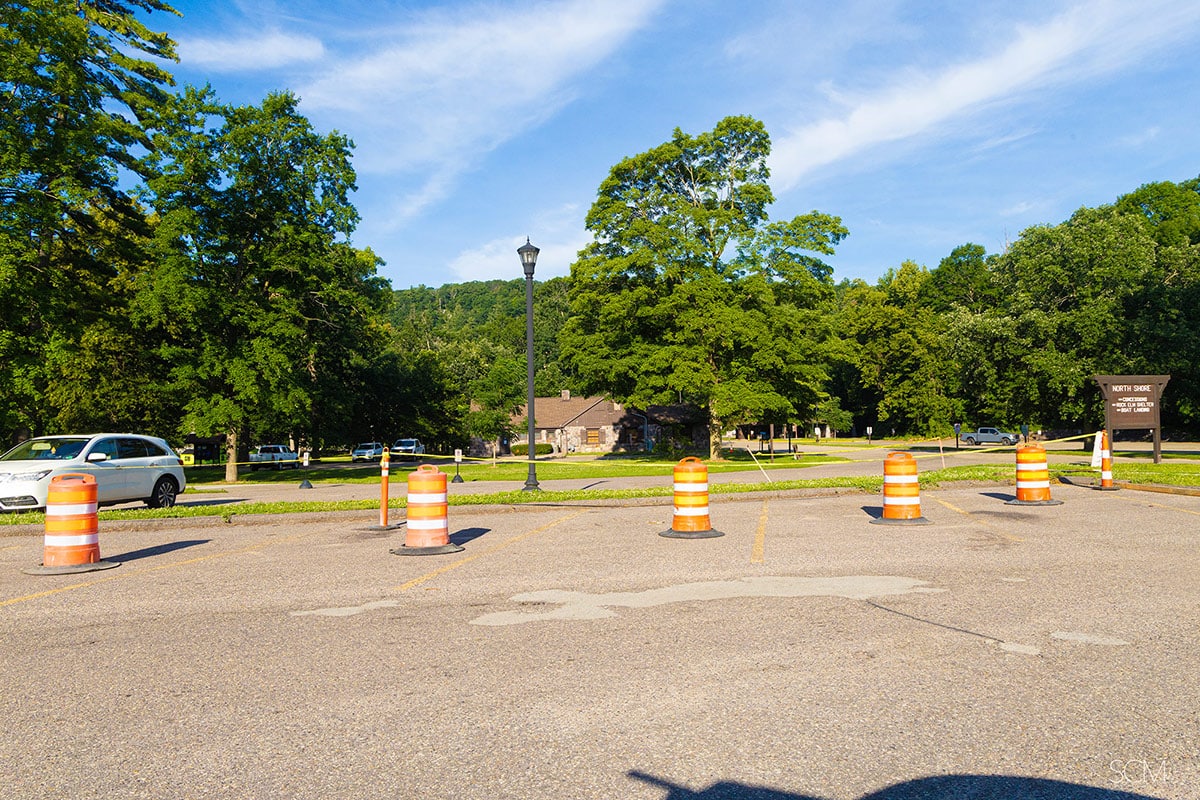
As I sit down to write this morning, the Cornell Lab’s BirdCast Migration Dashboard estimates…
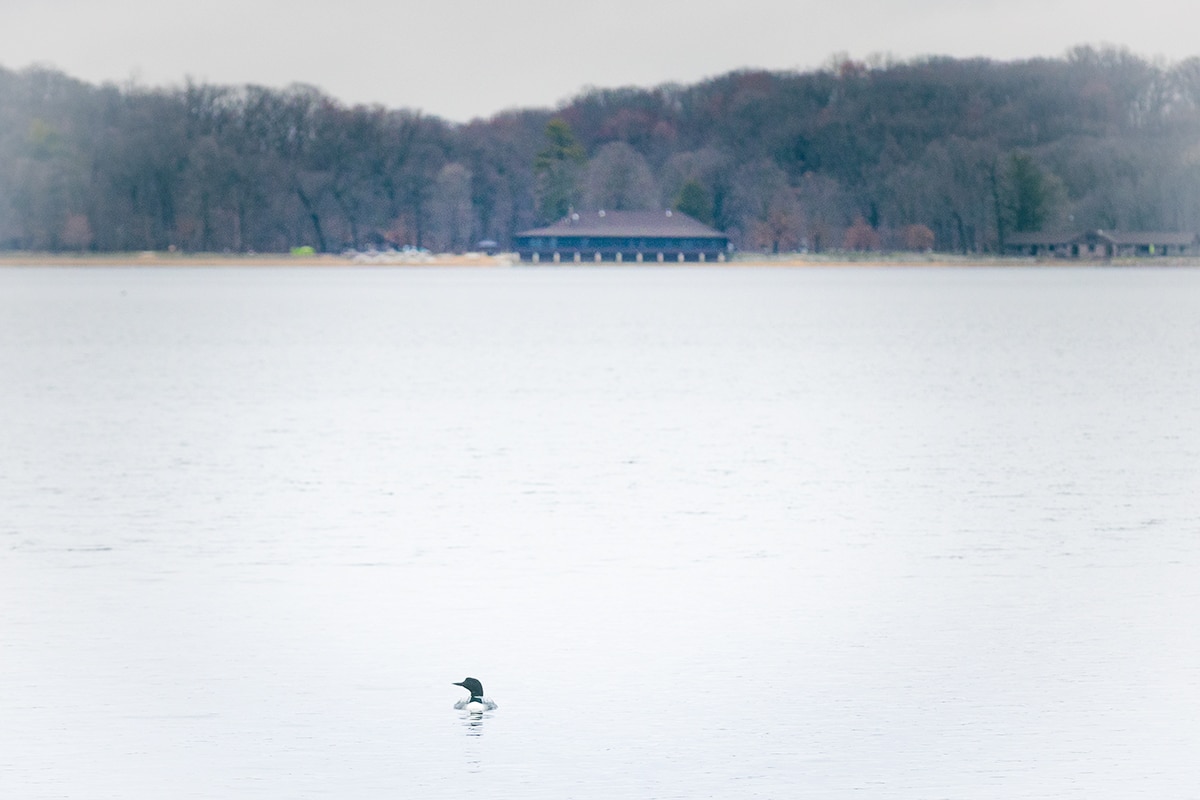
The loons are back. Early this morning, their calls were echoing off the bluffs at Devil’s Lake — one of the more unmistakable signs that the season has turned.
It wasn’t always this way. Not long ago, seeing a loon on this lake was a genuine surprise. Over the past several years, a few have become reliable summer residents, and that consistency is worth noting.

A Few Things Worth Knowing About Common Loons
They’re built for water, not land. Loons come ashore only to nest. Their legs are positioned far back on the body — ideal for diving, awkward for walking.
They’re fast in the air. Migrating loons have been clocked above 70 mph.
Taking off is a production. Loons need a long open-water runway — anywhere from 30 yards to a quarter mile — to get airborne. They’ve been known to land on wet roads or parking lots and become stranded without enough water to lift off.
They live long lives. The oldest recorded common loon was around 30 years old.
They eat a lot — roughly two pounds of food per day — primarily fish, but also insects and crayfish.
Their numbers are under pressure. The common loon is a federally protected migratory bird and listed as a Species of Special Concern in Wisconsin. After decades of slow recovery, research from The Loon Project documents a 22% population decline in northern Wisconsin over the past 25 years, driven by reduced water clarity, climate-related habitat changes, and lead poisoning from fishing tackle.
Sources: All About Birds, The Loon Project

For over 30 years, the Skillet Creek blog has focused on 3 main goals: to inspire you to visit and explore the Devil’s Lake region, to help you get the most out of your visit by sharing tips, events, and other helpful information. Lastly, to advocate for our environment & wildlife and talk about how we can keep our natural areas amazing now and into the future! That last goal can sometimes cause controversy, but it’s the only way we can accomplish the first two. – Derrick Mayoleth, Owner.
Related Posts