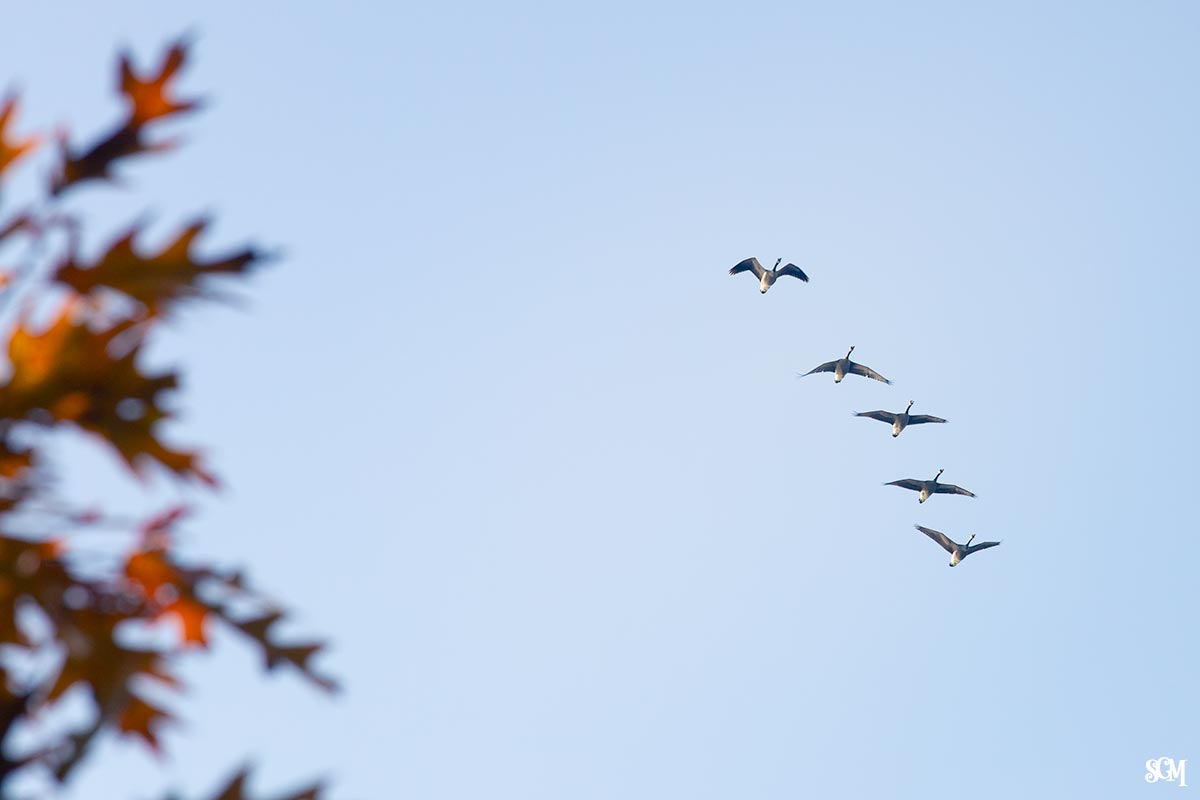
As I sit down to write this morning, the Cornell Lab’s BirdCast Migration Dashboard estimates…

Two survivors of one of history’s most devastating military disasters are buried just a short drive from Devil’s Lake State Park. Here’s how we found their nearly forgotten graves. (And you can too.)
📚 It all started with a book. As adventures often do.
I was flipping through Baraboo, Dells & The Devil’s Lake Region, written by H.E. Cole back in 1920. One of the earliest books aimed at visitors and tourism, especially outdoor folks, it explored our natural beauty, amazing geology, and a mix of Native and settler histories. (All through the lens of someone writing more than a century ago.)
As you may know, I collect old books, postcards, and other pieces of Devil’s Lake State Park & local history. I often research them, looking for ideas to share with you (mostly on social media). On this particular day, I was researching some background on Skillet Falls and Pewit’s Nest (already popular spots even back then), when I stumbled on a small section titled “Marched With Napoleon.”

It mentioned that two former soldiers in Napoleon’s army were buried right here in the Baraboo Hills, not far from Devil’s Lake.
That got my attention.
A Little Historical Context
In 1812, Napoleon Bonaparte launched a massive military campaign to conquer Russia. He marched over 400,000 soldiers across Eastern Europe, heading for Moscow. But the weather, subzero temps, starvation, and fierce resistance turned the retreat into one of the most catastrophic failures in military history.
Fewer than 10,000 soldiers made it back to France. That’s a survival rate of just 2.5%. One in forty.
So when you hear that Michael Hirschinger and Michael Nippert, two men buried quietly near Baraboo, survived that march, it’s not a stretch. It’s remarkable. And even more so when you learn that two of Hirschinger’s brothers served in Napoleon’s personal bodyguard.
Finding the Graves
According to the book, the two veterans were buried in Rock Hill Cemetery, located just off Hoot Owl Valley Road. (Which, by the way, is worth the drive for its name alone… and for the fall color… and the rock formation in the valley doesn’t hurt either.
Rock Hill is a smallish cemetery on the side of a bluff and is still active and maintained today. It contains a good number of very old headstones mixed with much newer ones. Some older grave stones are worn to the point of being unreadable. Others are broken or overgrown by time.
Given their past and the fact that Michael Hirschinger’s son Charles became a local leader and even served as a Wisconsin assemblyman, I had hoped the graves might stand out a bit.
No such luck.
A second source confirmed they were there, but no clear location was given. My book simply said the graves were “a little south of center” and “somewhat near each other.” That was all we had to go on.

My wife, Sue, found the first lead, a tall obelisk with the name “Nippert” on it. While not our Michael directly, his grave was just to the left. A white marble stone, broken but still legible. His wife’s marker stood beside his.
Finding Michael Hirschinger took more time.
Soon, “nearby” became “just about everywhere.” Finally, as I was walking back toward Nippert’s plot, I noticed something. A few dark letters and a bit of stone peeking out from under the grass.

I got down on my knees and carefully pulled the sod away.
There it was: “Michael Hirschinger.”
The stone had nearly disappeared into the hillside.
The book said his wife’s grave was “near that of her husband,” but there was no obvious sign. After brushing back more grass, I found what may have been the base of a second headstone about five feet away. Is that hers? Maybe. Or maybe her grave, like so many others, is simply lost to time.

A Quiet Ending to a Global Story
H.E. Cole ends their story with this line:
“Napoleon went to St. Helena; Hirschinger and Neppert came to the Baraboo Hills.”
There’s something about that I keep thinking about.
Two men, soldiers in one of the most infamous military campaigns in world history, lived out their final years in the quiet farmland just outside Baraboo. They survived something few did. And now, unless someone goes looking, their names and their stories are fading into the earth.
The odds that these men and their stories touch us here in the Baraboo Hills are kind of incredible.

If you’d like to visit, we’ve included general directions and a few photos below. And if you do go, please remember: this is an active cemetery. It deserves care and quiet respect.
Let us know if you’d like to read more local history like this or explore other little-known places around Devil’s Lake. There’s always more just under the surface.
More Information
Google Map To Rock Hill Cemetery
References
- Baraboo, Dells & The Devil’s Lake Region, written by H.E. Cole back (1920, 1921)
- The Wisconsin Magazine of History, V4 No 4, Wisconsin Historical Society (June 1921)
- French Invasion of Russia (Britannica)

For over 30 years, the Skillet Creek blog has focused on 3 main goals: to inspire you to visit and explore the Devil’s Lake region, to help you get the most out of your visit by sharing tips, events, and other helpful information. Lastly, to advocate for our environment & wildlife and talk about how we can keep our natural areas amazing now and into the future! That last goal can sometimes cause controversy, but it’s the only way we can accomplish the first two. – Derrick Mayoleth, Owner.
Related Posts